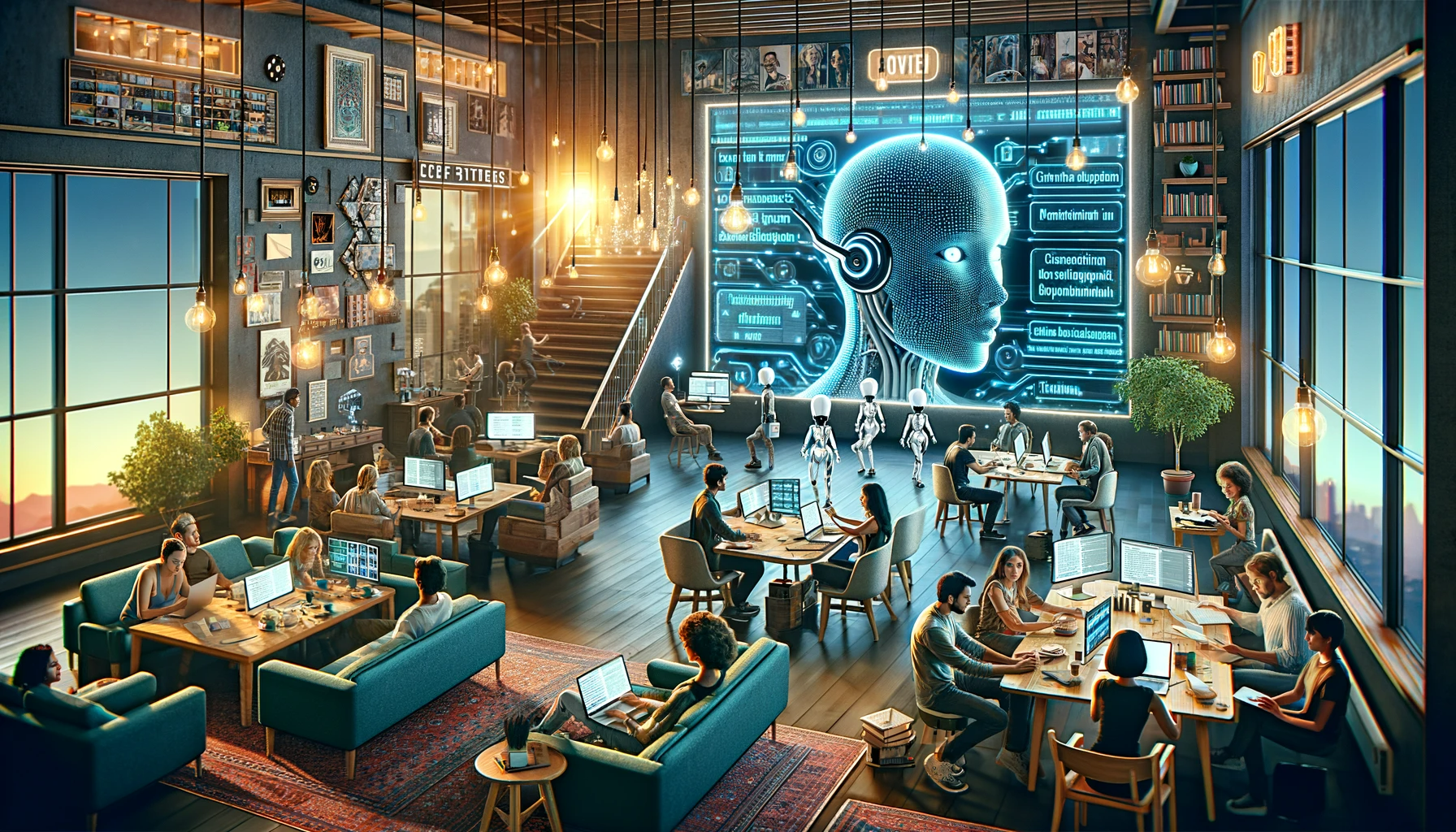
The script is the heart of any film, pulsating with the potential to bring characters and stories to life on the silver screen. In recent years, a new player has emerged in the screenwriting realm—generative artificial intelligence (AI). This sophisticated technology is not merely assisting screenwriters but revolutionizing the very essence of scriptwriting. As we delve into the world of AI-assisted screenwriting, we unveil the potential of algorithms in crafting the narratives that could define the next generation of blockbuster films.
The Advent of AI in Screenwriting
Generative AI is transforming the solitary act of screenwriting into a collaborative process between humans and machines. AI algorithms, designed to understand and replicate patterns in data, are now being fed with vast libraries of scripts, books, and other textual content to learn the art of storytelling. These AI models can generate plot ideas, write dialogues, and even suggest narrative twists that align with the writer’s vision.
Beyond the Traditional Muse
In the traditional screenplay development process, writers often grapple with writer’s block and seek inspiration from various sources to fuel their creativity. Generative AI steps in as a digital muse, offering a wellspring of ideas that are drawn from a deep well of learned narrative structures and themes. This technology doesn’t aim to replace the screenwriter but to augment their creative process. It provides an endless array of prompts and possibilities that can kickstart the creation of a compelling narrative or help writers overcome creative hurdles.
Algorithmic Originality and Human Touch
A question that frequently arises in discussions about AI in screenwriting is the originality of the content produced. Can a machine truly be original, or is it merely rehashing what it has been fed? The beauty of AI-assisted screenwriting lies in the collaboration. While AI can suggest thousands of possibilities based on its learning, it is the human screenwriter who breathes life into these suggestions, handpicking the gems that resonate with human emotions and experiences.
The Impact on Indie and Studio Films
For indie filmmakers, AI-assisted screenwriting could be a game-changer. It democratizes access to storytelling tools that were once the exclusive domain of writers with years of experience or those with the means to collaborate with seasoned professionals. Now, even novice writers can craft scripts of a quality that stands a chance in the competitive film industry.
Major studios, on the other hand, can harness AI to analyze audience trends and preferences, potentially shaping scripts to cater to viewer demand. This intersection of creativity and market analytics may well be the crucible in which future blockbusters are forged.
Case Studies and Success Stories
The blog could showcase case studies where AI-assisted scripts have made it to production, examining the role AI played and the reception of such films. Success stories serve to demystify AI in screenwriting and provide tangible evidence of its potential.
Ethics, Authorship, and the Future
No discussion about AI in creative fields is complete without addressing the ethical implications. Who is the author of an AI-assisted script? How much credit should AI receive? As we navigate this new territory, the Chroma Art Film Festival is committed to exploring these questions, fostering a space where technology and tradition coexist in harmony.