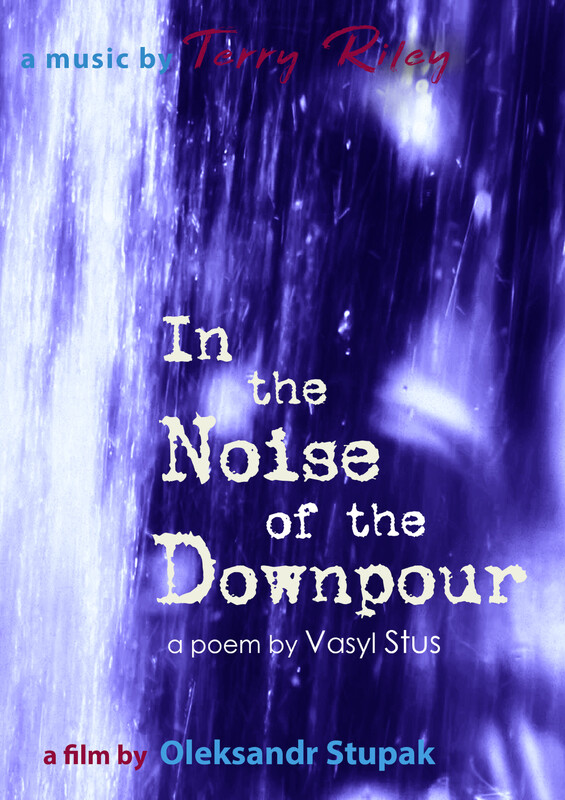
This week, Chroma Art Film Festival proudly features In the Noise of the Downpour, an experimental short film by Ukrainian artist and filmmaker Oleksandr Stupak. Visually poetic and emotionally stirring, the film captures the haunting echoes of war and the resilience of cultural memory through a masterful interplay of visuals, voice, and nature.
By weaving a rare recording of a poem by dissident poet Vasyl Stus—once imprisoned for his defiance of Soviet repression—Stupak connects personal history, national trauma, and collective hope. Through a meditation on the seasons and the eternal cycles of life and death, In the Noise of the Downpour becomes a cinematic prayer for peace, remembrance, and the enduring voice of a people.
Overview
In In the Noise of the Downpour, director Oleksandr Stupak contemplates the soul of humanity in times of chaos and despair. The film uses the natural metaphor of autumn fading into winter to reflect on mortality, memory, and the longing for light amidst darkness. Stupak evokes this meditation through striking imagery of nature, a haunting archival voice recording by legendary Ukrainian poet Vasyl Stus, and an atmospheric, almost sacred visual language.
War lingers in the background of every frame, not just as a political force but as a psychological shadow. Yet, hope persists—a longing for a return to the innocence of summer, for the resilience found in poetry, and for the unbroken cycles of nature that reflect human endurance.
Credits
- Director & Writer: Oleksandr Stupak
- Key Cast: Solomiya Kyrylova (Pamfir)
- Visuals & Editing: Oleksandr Stupak
- Poetry & Archival Voice: Vasyl Stus
- Actress: Solomiya Kyrylova
Specifications
- Title (Original): В Шумі Зливи
- Title (English): In the Noise of the Downpour
- Runtime: 11 minutes 47 seconds
- Completion Date: April 27, 2024
- Country of Origin: Ukraine
- Languages: English, Ukrainian
- Format: Digital
- Aspect Ratio: 16:9
- Color: Color
- Genre: Experimental Short
- Student Project: No
- First-time Filmmaker: No
Director Biography: oleksandr Stupak

Oleksandr Stupak is a Ukrainian visual artist and filmmaker working across monumental and easel painting, sculpture, and audiovisual media. A graduate of the National Academy of Fine Arts and Architecture in Kyiv, he studied under Prof. M. A. Storozhenko and has led major expeditions across Central Asia and Eastern Europe to explore cultural heritage and temple art.
His creative practice merges research, travel, and experimental media. From painting 2,000 m² of sacred murals in a village church to producing films like Tree Blossom and From Another Side of the Sun, Stupak’s work bridges ancient symbolism and contemporary struggles.
Director Statement
“To destroy a nation, you need to destroy its culture.
This film is about horrors and hopes, anxieties and expectations, delusions and dreams. The film features a poem about nature (about an autumn forest), which is particularly relevant to our current state of affairs. The author of the poem is Vasyl Stus, one of the most prominent Ukrainian poets of the 20th century. Declares the poetry the author himself (a miraculously preserved lifetime recording, almost all others were destroyed recording). Vasyl Stus was imprisoned in the Kolyma camps for his views and his defence of Ukrainian art and freedom. He was and is the voice and conscience of the Ukrainian people.
In 1965, at the premiere of Serhiy Parajanov’s film Shadows of Forgotten Ancestors, Stus was among those who protested against the arrests of Ukrainian intellectuals. He was expelled from his postgraduate studies and was unable to publish two collections of poetry (the second was self-published and published in London). In 1972, Stus was arrested and sentenced to five years in camps and three years in exile. From the Magadan region, he appealed to the Supreme Soviet of the USSR to renounce his citizenship (“To be a Soviet citizen is to be a slave”). He was refused, which is not surprising, but, oddly enough, he was allowed to return to Kyiv, only to be arrested again a few months later as a member of the Helsinki Human Rights Group, i.e. a repeat offender.
In 1985, he was nominated for the Nobel Prize in Literature and in the same year he was killed in his cell – the prize is not awarded to the dead.
We wanted to make a film with the hope that this war would end soon and that people would see the light, as if after a big rain. So that the voice of our people (the poet) could be heard again and others could hear it.”
Follow the filmmaker:


